Executive Selling That Actually Works: Crash Course Breakdown



TL;DR
Executives only have the time to give you one shot—maybe two—and if you fumble it, there’s rarely a third try.
That's the reality Krysten Connor laid out in our recent webinar. If you've watched a deal stall because your champion couldn't get internal traction, or lost an executive's attention because your business case wasn't tight enough, here's what actually works to fix that.
The Real Problem: You're Preparing for the Wrong Meeting
Most reps think executive meetings need more detail. More product depth. More proof that you've done your homework.
Close… but no.
Krysten's insight: "Very few executives will ever log into ‘your thing.’ What they see is what’s behind your thing—outcomes that other people are delivering on."
They care about outcomes, not features that enable them, and if your champion can't articulate why this matters in a single sentence, your deal will likely die in an internal meeting you're not even in.
So stop preparing product demos for executives. Start preparing your champion to sell without you.
The 1-Page Business Case: Your Champion's Survival Kit
Here's where most deals fall apart: You've done discovery. You've built consensus with day-to-day contacts. You've even gotten an exec sponsor excited.
Then your champion walks into a meeting with the CFO, gets hit with "Why does this matter?" and fumbles the answer.
The fix: a one-page business case that answers three questions in their language, not yours:
- What's the problem? (In their exact words—not your value prop)
- What's the cost of inaction? (Quantified, not theoretical)
- Why now? (Tied to a business urgency they already care about)
Your champion shouldn't need you in the room. They should be able to forward this document and have it speak for itself.
Which is where Olli comes in.
When a deal hits executive stages, Olli flags it in your Today's Priorities and surfaces the specific actions you need to take to keep momentum:
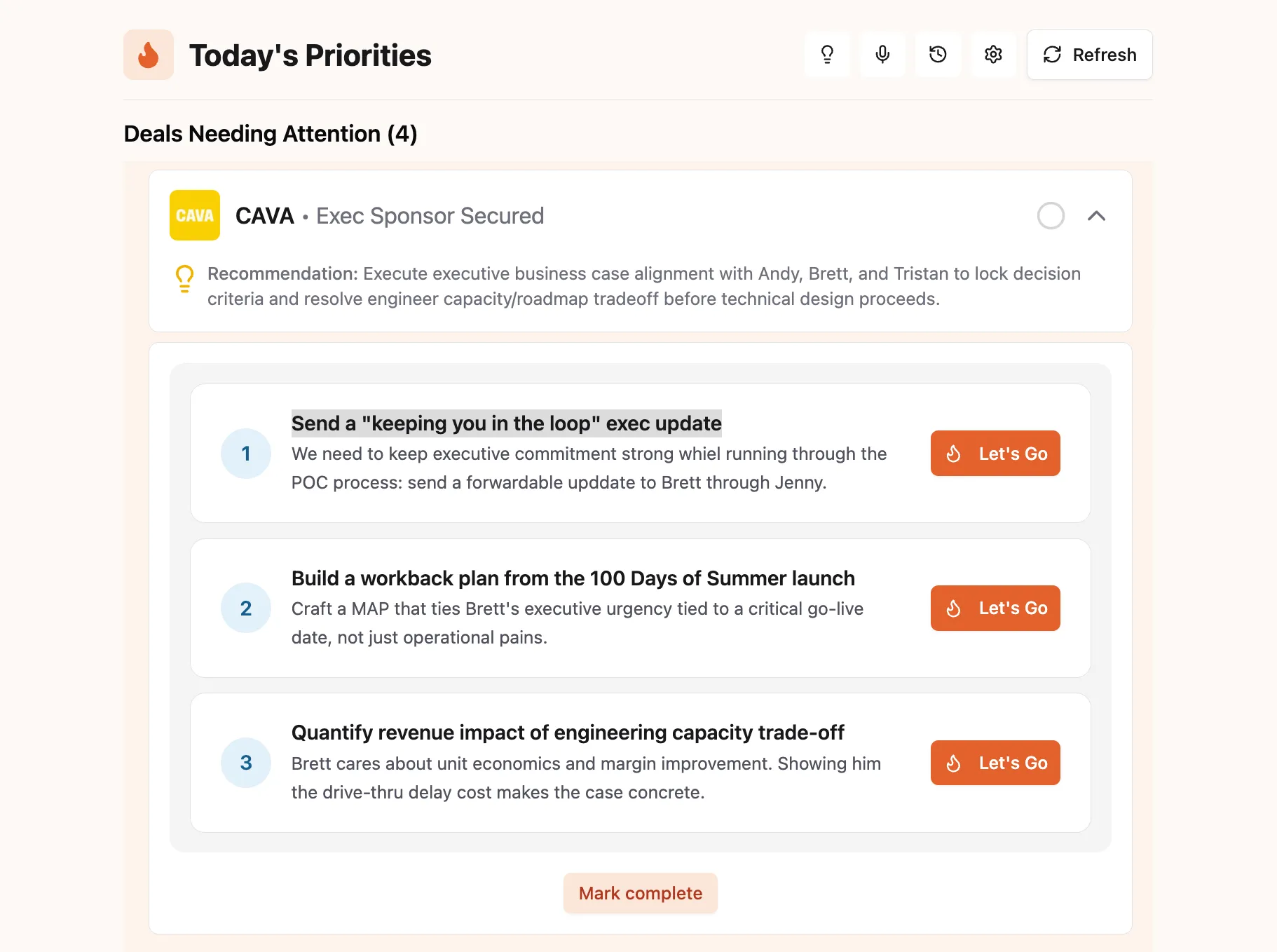
Look at the CAVA deal. Olli isn't just telling you "exec sponsor secured"—he’s telling you what to do next:
- Execute executive business case alignment with Andy, Brett, and Tristan
- Send a "keeping you in the loop" update to Brett through Jenny
- Build a workback plan tied to their critical go-live date
- Quantify the revenue impact of the engineering capacity trade-off
These aren't generic reminders. These are the exact moves Krysten teaches—surfaced automatically based on where your deal actually is.
Champion Enablement: The Meetings You're Not In
Your champion is going to face objections you'll never hear.
They're going to get pulled into hallway conversations, Slack threads, and budget meetings where they need to defend this deal on the spot. If you haven't armed them with the right soundbites, responses, and internal selling assets, they're going in naked.
Olli's Champion Enablement Kit automates this:
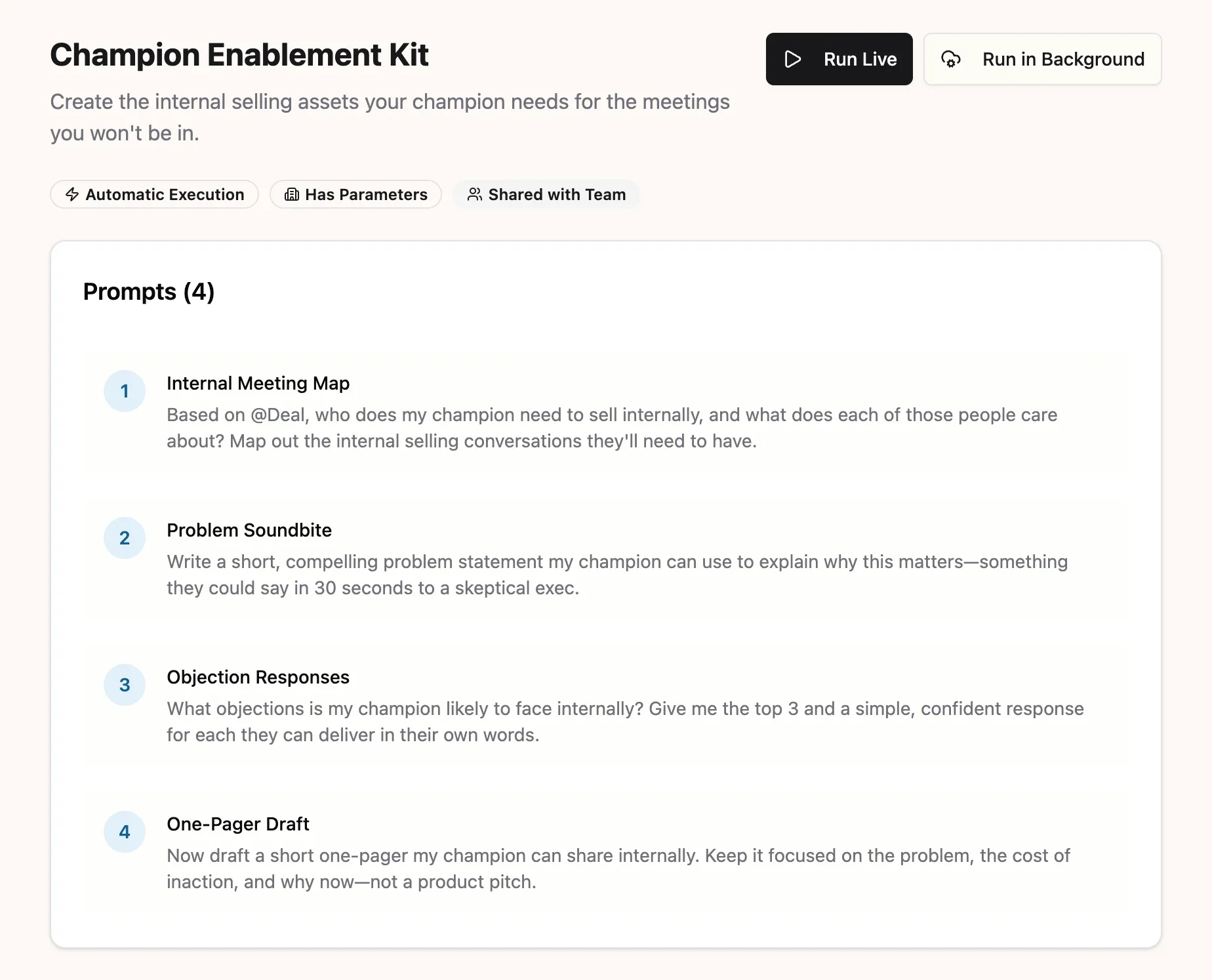
Four prompts, automatically generated based on your deal:
- Internal Meeting Map - Who does your champion need to sell to? What does each person care about?
- Problem Soundbite - A 30-second explanation they can use in any conversation
- Objection Responses - The top 3 objections they'll face, with confident responses
- One-Pager Draft - A champion-ready document focused on the problem, the cost of inaction, and why now
You click "Let's Go" and Olli builds the assets your champion needs for the meetings you won't be in.
You're not hoping your champion figures it out. You're arming them for every Slack thread, every budget meeting, every hallway conversation where they need to defend this deal without you.
Speak Their Language—Literally
Krysten's point about language is critical: "Managers don't know what they can say without getting in trouble. But Executives are shockingly candid. They'll tell you exactly what their biggest problem is and what happens if they don't fix it."
But here's the catch: they use their own vocabulary.
One example from the webinar: Nate was once building messaging around "revenue per rep." The CFO kept pushing back. Turns out, he called it "net sales per head"—and in his world, "revenue" meant something completely different. The disconnect killed momentum until the champion sent a Slack screenshot showing the CFO's exact language.
The lesson: Find the catchphrases and code names. Every important initiative has one.
Krysten's approach: "I tell them, 'When I talk to companies going through this transformation, there's usually a funny phrase executives use over and over. Sometimes it's great, sometimes it makes people chuckle. What is it?' Then I give examples—Project Eagle, $25 billion in 2025—and they smile and tell you exactly what it is."
Recent examples from real deals: Project Fresh. 100 Days of Summer. Project Quantum.
Use their language in your pre-read, your slides, your follow-up emails. If you're speaking a different dialect, you're starting from behind.
The Five-Slide Rule (Or Better: One Slide)
When you do get in front of the executive, Krysten's rule is simple: five slides, max.
Executives don't want your full discovery recap. They don't care about your product roadmap. They want to know:
- What problem are we solving?
- What's it costing us right now?
- What's the plan?
- What do we need to decide today?
- What happens next?
That's it. Five slides. Tight. Focused. Outcome-driven.
And if you can get it to one slide? Even better.
Krysten: "If you get them on the right topic, they want to talk about it. They're trying to solve the problem. You really don't need more than one slide, because if they see the right thing, they're gonna talk two-thirds of the time."
For a Chipotle rewards deal, slide one isn't "Here's what our platform does." It's:
"Your Summer of Extras promo drives 30% of sales, but you're launching blind. You don't know honey chicken will sell out at 2PM—costing you $X per store per day in lost revenue."
That's a slide that gets executives talking.
Olli's slide builder keeps you constrained:
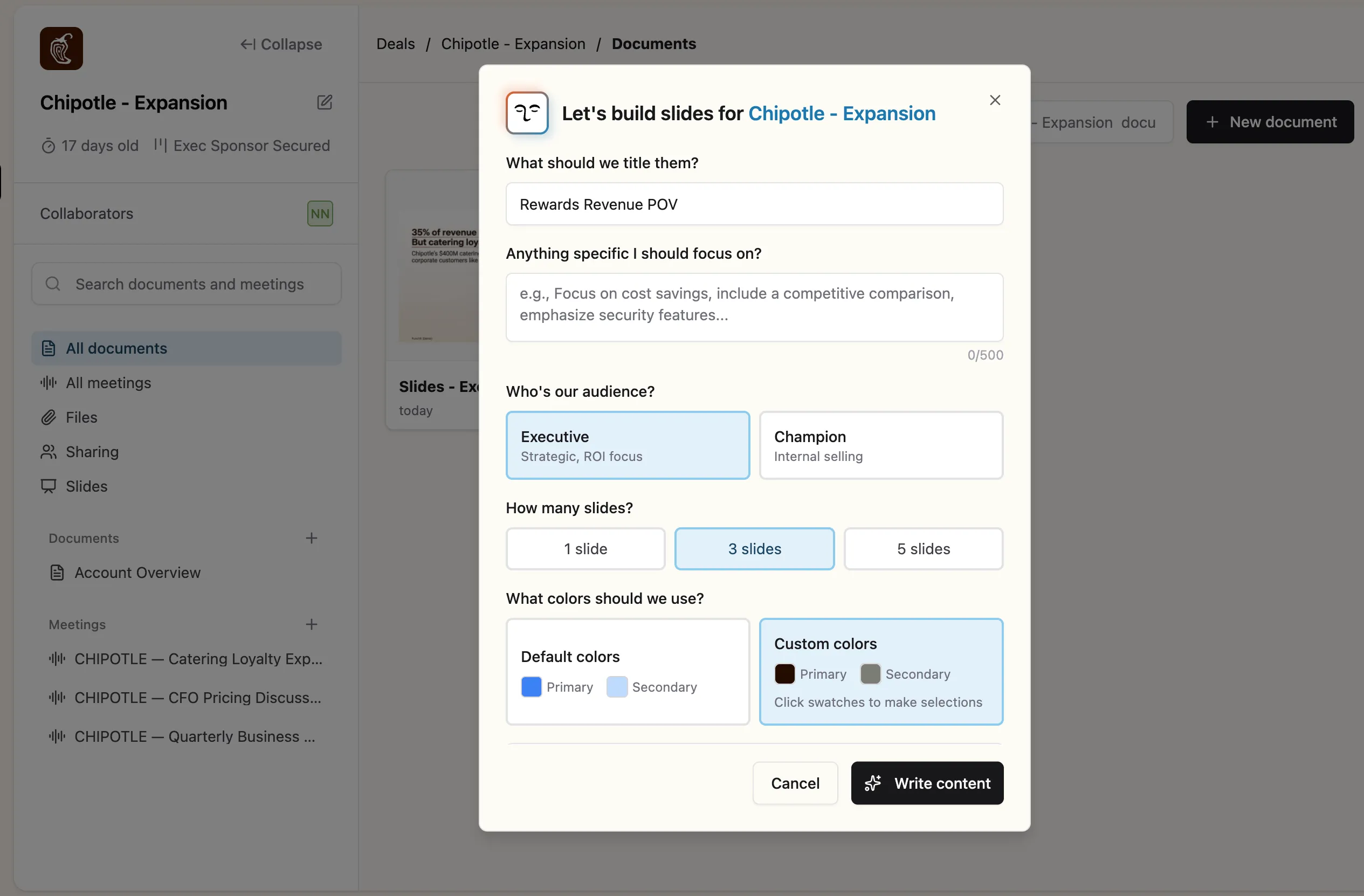
Tell Olli what you're presenting. Choose your audience (Executive or Champion). Pick how many slides: 1, 3, or 5. No more. Olli drafts the content based on your deal context.
For the Chipotle deal in the screenshot, the rep is building a 3-slide executive deck focused on "Rewards Revenue POV." Olli knows the deal context, the executive's priorities, and what matters most—so it builds slides that get to the point.
No fluff. No filler. Just the business case that moves the deal forward.
When the Meeting Goes Off the Rails
You prepped for Project Fresh. The executive wants to talk about something entirely different.
Now what?
Krysten's advice: "First, make sure you understand what the new topic actually is. They may be using different words for the exact same concept you prepped for. So I ask: 'Just so I'm 100% clear—I talk with a lot of organizations, and X means wildly different things. What exactly does that mean to you?'"
Level-set on vocabulary first. Then ask the question behind the question: "It seems like there's probably a specific reason you're asking about that."
Let them set the table. If they're talking, let them talk. Don't rush to get through your remaining slides.
And this is why you want an executive from your side in the room—they'll hear what the customer exec is saying in a way you won't. They can pivot faster.
Krysten: "That's why you want jersey-matched meetings. Your VP or co-founder is gonna hear what that exec is saying differently than you will as a seller."
The Pre-Read That Gets You in the Room
Krysten is a big believer in the pre-read—not because executives always read it, but because it helps them decide which meeting to attend.
"Executives' calendars are double and triple booked. If there's a pre-read ahead of time, they're trying to determine what meeting to go to. If we send a very tight pre-read that helps them understand why it's important, we have a better shot of getting them there."
Pro move: Loop in the executive admin.
"I've sent over the pre-read for CXO. I wanted to let you know it's there, because CXO will find it valuable and it'll help make best use of time in the meeting."
The admin's job is to optimize the exec's time. You just made their job easier.
Keeping Executives Informed Without Becoming Noise
Once you have executive buy-in, don't lose it by going silent—or by over-communicating.
Executives want to stay in the loop. They don't want to be in the weeds.
The solution: regular, structured updates that take 60 seconds to read. Forward progress. Clear next steps. Anything that needs their decision or attention flagged upfront.
This is where "keeping you in the loop" emails become your multi-threading superweapon.
Real example: Jason Ferrera closed a six-figure deal with a healthcare system—40+ stakeholders, 18 months, first enterprise deal his company had ever done.
How? He sent bi-weekly updates to the executive sponsor. Not status reports. Business updates.
"Your ED wait times dropped 8% since we started the pilot in cardiology. Dr. Chen's team is now asking when they can expand to the other three units."
The exec forwarded these to the CFO. Jason wasn't in that meeting, but his message was.
Krysten: "Many times, their teams aren't even keeping them as updated as we are. That stakeholder management—keeping executives in the loop even when they're not in meetings—was a huge part of keeping that deal on track."
Olli surfaces these update prompts automatically in your deal priorities (see Screenshot 1 again—"Send a 'keeping you in the loop' exec update"). It's not a reminder to send an email. It's a prompt to draft the right update, at the right time, with the right framing.
Because if your exec sponsor forgets you exist, someone else will fill that vacuum.
The Multi-Executive Meeting: Proceed with Caution
What about meetings with multiple executives—IT, finance, supply chain all in one room?
Krysten's take: "The more departments we have present, the riskier it is. It's less likely that anyone leaves happy with the level of detail. Sometimes people think this is efficient—all decision makers in one room. But what that can mean is we have one Wendy's meal for five people. We're dividing that hamburger five ways, and nobody leaves full."
Her approach for these meetings:
- Send a pre-read specific to what each person cares about
- Set expectations upfront: "This meeting won't go deep on any one topic, but we'll schedule follow-ups for each of you to dive into your specific questions"
- Make sure everyone knows they've had a little to eat beforehand, a little in this meeting, and they'll get the rest later
Give them a snack now, promise them a meal later.
The Bottom Line
Executive selling isn't a different game. It's the same game played faster, with higher stakes, and no margin for error.
The frameworks aren't revolutionary: one-page business case, champion enablement, five-slide rule, regular exec updates.
The problem is execution. Most reps know what they should do. They just don't do it—because they're managing 15 other deals, putting out fires, and trying to remember what matters most.
That's where Olli makes the difference. He helps you play the game with speed and quality at the same time: by surfacing the right actions, at the right moment, with the right assets already built.
You still have to execute. But you're not starting from scratch every time.
Krysten's final word: "Executives don't care what our product does. They don't care what it does for anyone else's day. They care what it does for the top 3 slides they're talking to their board about, that they're pounding on at all-hands. Unless we're talking about that in every pre-read, every keeping-you-in-the-loop email, every face-to-face meeting—we will lose them."
This is Part 1 of a two-part series with Krysten Connor. Part 2 covers multi-threading: how to build consensus across 40+ stakeholders once you have executive backing. Subscribe to Krysten's newsletter for more on executive selling and deal strategy.
FAQ's on:
Why stop now?
You’re on a roll. Keep reading related write-up’s:




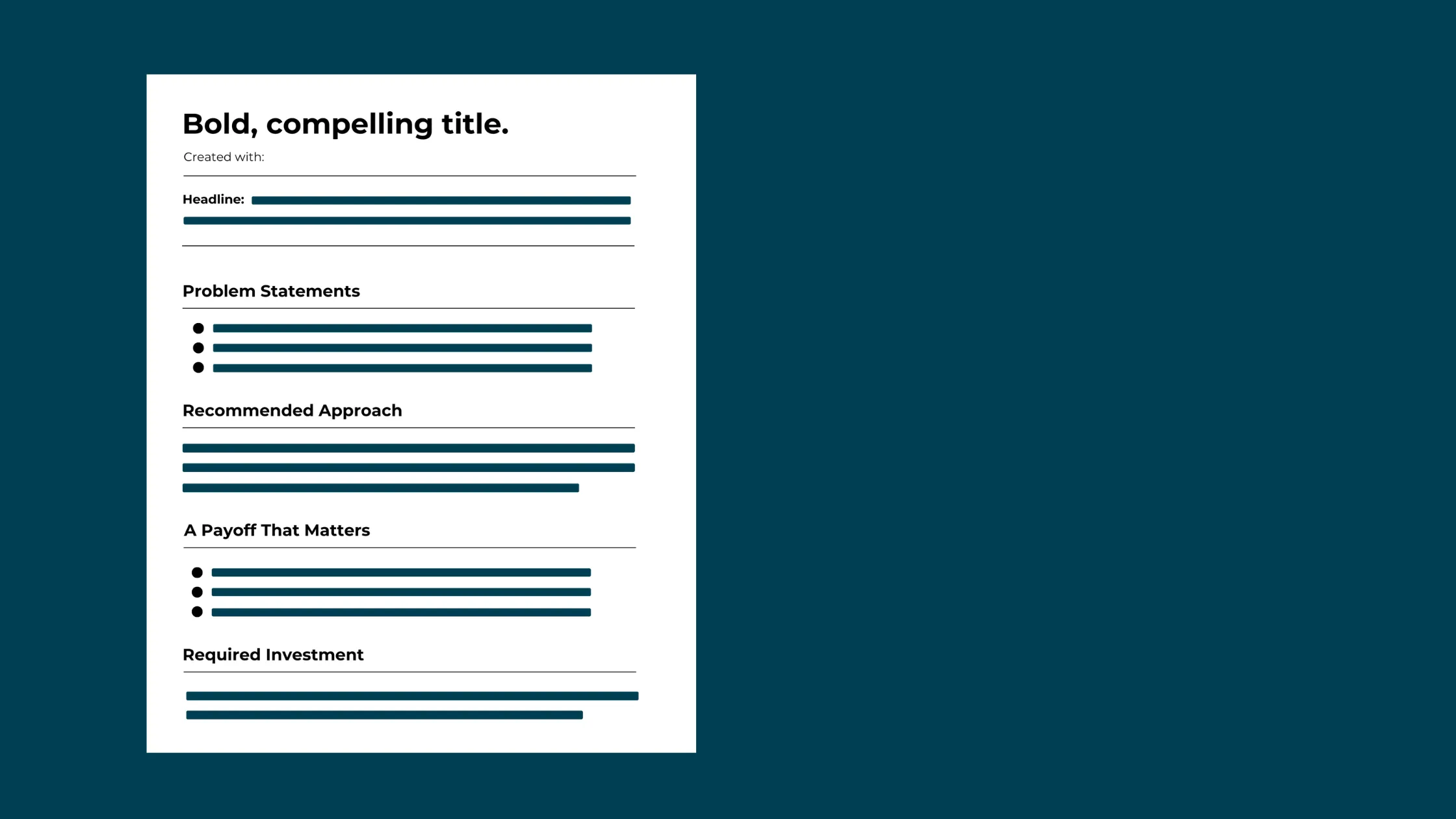
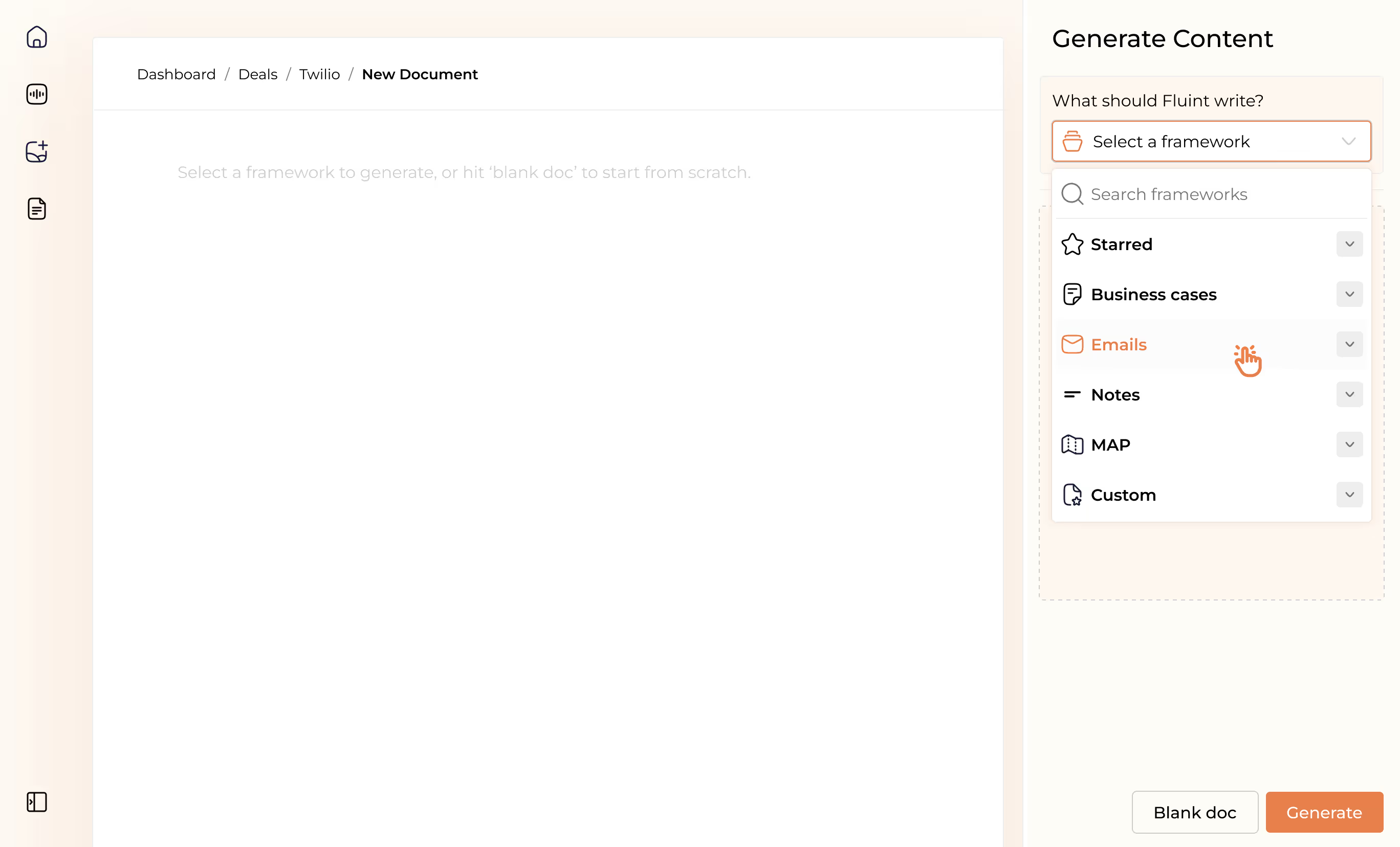
Draft with one click, go from DIY, to done-with-you AI
Get an executive-ready business case in seconds, built with your buyer's words and our AI.
Meet the sellers simplifying complex deals
Loved by top performers from 500+ companies with over $250M in closed-won revenue, across 19,900 deals managed with Fluint

Now getting more call transcripts into the tool so I can do more of that 1-click goodness.



The buying team literally skipped entire steps in the decision process after seeing our champion lay out the value for them.


Which is what Fluint lets me do: enable my champions, by making it easy for them to sell what matters to them and impacts their role.

